Understanding the Medically Necessary Treatments Offered at Aesthetic Clinics
Aesthetic clinics play a crucial duty in addressing both cosmetic and health-related problems. They provide medically required treatments that extend beyond mere look improvements - Face slimming clinic Malaysia. Treatments such as laser therapy and chemical peels can considerably improve skin conditions while promoting general well-being. Nonetheless, the efficiency of these treatments depends upon understanding their clinical effects and the nuances of private patient demands. What aspects should one take into consideration before choosing for these therapies?
The Role of Aesthetic Clinics in Modern Medical Care
As aesthetic clinics continue to gain prominence in modern-day healthcare, they offer not only aesthetic purposes but additionally address different clinical needs. These centers frequently provide treatments that exceed beauty improvements, integrating procedures that can enhance general wellness and well-being. Visual facilities might offer services such as laser therapy for dermatological problems, which can relieve symptoms of skin disorders like psoriasis or eczema. Additionally, the combination of sophisticated innovations enables these centers to provide minimally intrusive treatments that advertise recuperation and decrease downtime for individuals.
Skin Restoration Treatments: Even More Than Simply Aesthetics
Skin rejuvenation therapies include a series of treatments made to improve the appearance and health of the skin, frequently attending to hidden clinical problems. These treatments include procedures such as chemical peels, microdermabrasion, and laser treatments, which intend to boost skin texture, tone, and flexibility. By boosting collagen production and promoting cell turn over, these therapies can alleviate the impacts of aging, sunlight damage, and ecological stress factors.
Along with aesthetic renovations, skin restoration treatments can also have significant emotional advantages. Clients frequently report raised self-esteem and self-confidence complying with successful therapies. Furthermore, some therapies can aid ease problems like hyperpigmentation or uneven skin appearance, which might contribute to psychological distress.

Treatments for Persistent Skin Disease
Persistent skin disease, which can greatly impact an individual's high quality of life, often need targeted therapies to take care of signs and enhance overall skin health. Visual centers provide various clinically essential treatments tailored to resolve these concerns, including psoriasis, dermatitis, and acne.
Topical therapies, such as corticosteroids or retinoids, are typically prescribed to decrease swelling and advertise recovery. In more extreme instances, systemic therapies, consisting of biologics, may be utilized to target hidden immune reactions. Additionally, light and laser treatments have revealed efficiency in dealing with conditions like rosacea and acne marks, supplying people with alleviation and improved skin look.
Chemical peels and microdermabrasion can help in exfoliating harmed skin, enhancing the skin's structure and tone. By employing a comprehensive strategy, aesthetic clinics play a crucial function in taking care of chronic skin disease, helping individuals reclaim their confidence and enhance their total wellness.
The Link In Between Mental Health and Aesthetic Procedures
Just how does the quest of aesthetic treatments link with mental health and wellness? Study indicates a substantial link in between a person's self-image and their mental well-being. Lots of people look for aesthetic procedures to improve their look, thinking that improvements may cause raised confidence and a better high quality of life. Sometimes, these treatments can minimize signs of anxiousness and clinical depression linked to body photo issues.
Nevertheless, it is important to identify that while visual improvements can offer momentary alleviation, they may not attend to underlying mental concerns. The need for physical adjustment can occasionally mask much deeper psychological wellness problems that call for professional intervention. As a result, aesthetic clinics frequently highlight the significance of psychological health and wellness evaluations before waging any treatment. Comprehending the psychological inspirations behind these wishes is crucial for providing holistic treatment that appreciates both physical and mental health needs.
Minimally Invasive Treatments With Medical Perks
What are the advantages of minimally invasive treatments beyond aesthetic enhancements? These procedures usually give considerable medical advantages while decreasing recovery time and reducing complications. Therapies like Botox can minimize migraines and extreme sweating, offering clients alleviation from persistent problems. Additionally, facial fillers can help bring back volume and enhance the look of marks, therefore boosting skin wellness.
Minimally invasive strategies such as laser therapy can treat numerous skin conditions, consisting of acne marks and pigmentation problems, promoting total skin health. The accuracy of these treatments reduces the danger of infection and difficulties compared to typical surgical procedure, allowing clients to return to day-to-day activities rapidly.
In addition, the psychological advantages, such as raised self-esteem and confidence, can add favorably to a patient's overall wellness. To sum up, minimally invasive procedures serve dual purposes: improving visual charm and addressing hidden medical worries properly.
The Relevance of Expert Consultation
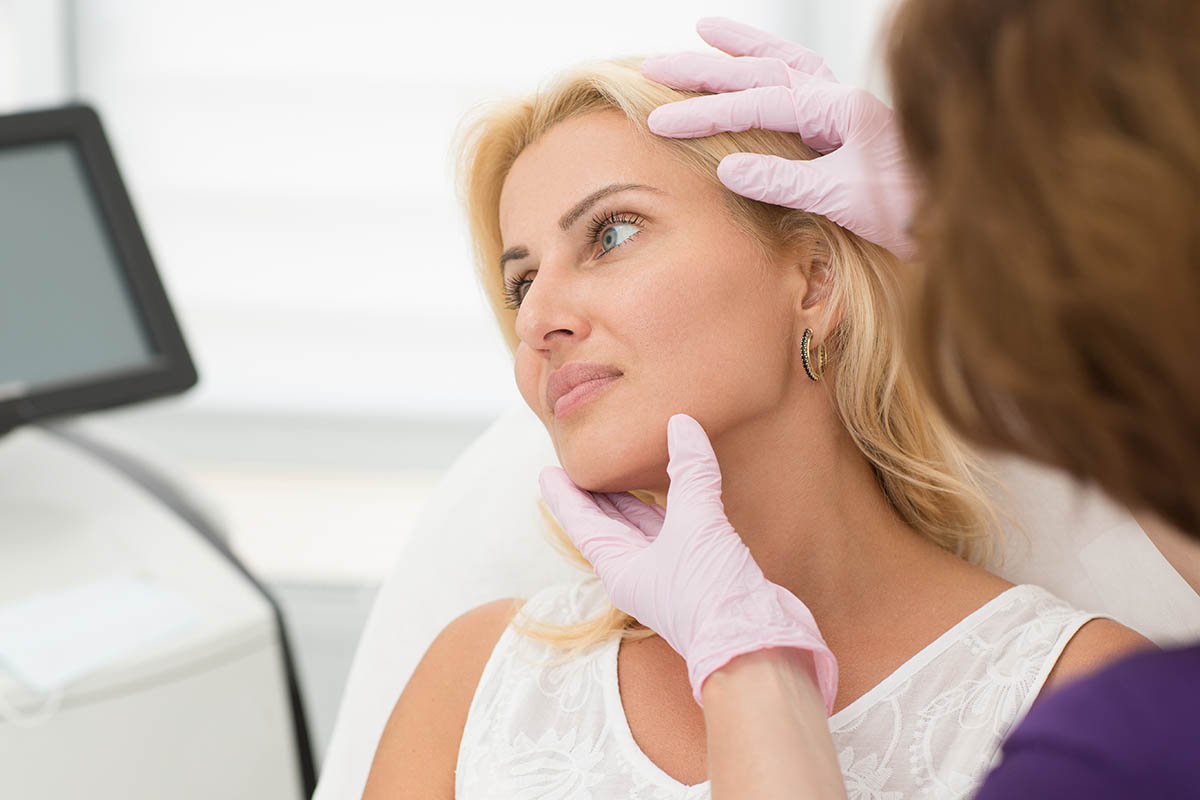
Several people might look for aesthetic treatments for cosmetic reasons, the value of specialist appointment can not be overemphasized. Expert appointments offer as a critical initial step in evaluating the patient's unique demands, case history, and desired outcomes. A professional practitioner can provide beneficial understandings into which procedures might appropriate and required, making sure that clients make informed choices.
Furthermore, assessments help to recognize prospective risks and contraindications associated with numerous therapies. This preemptive step permits for a tailored strategy to care, improving safety and effectiveness.
Specialist assessments cultivate a trusting partnership between the individual and provider, motivating open interaction about assumptions and concerns. This rapport adds to higher satisfaction rates and better adherence to post-procedure treatment standards. Consequently, investing time in a see here detailed appointment is essential for achieving perfect results and making certain that the chosen aesthetic therapy straightens with the client's health and wellness and health goals.
Person Reviews: Real-Life Impact of Medically Needed Treatments
Transformative Success Stories
Exactly how do clinically needed treatments absolutely change lives? Patients at aesthetic clinics frequently share engaging stories that highlight extensive adjustments arising from these treatments. One person, formerly strained by extreme skin problem, reported enhanced self-esteem and social interaction complying with successful treatments. One more client, having problem with persistent discomfort as a result of an architectural concern, experienced substantial alleviation and reclaimed wheelchair, permitting for a much more energetic lifestyle. Additionally, reviews reveal transformations past physical look; one customer noted improved mental wellness after resolving a long-lasting problem that impacted their confidence. These stories emphasize the crucial function that medically necessary treatments play in improving overall well-being, showcasing their capacity to promote not only physical recovery yet likewise emotional and emotional renewal.
Conquering Individual Difficulties
Success stories from people at aesthetic clinics expose profound makeovers, but the trip commonly includes overcoming considerable personal obstacles. Numerous people face deep-seated instabilities, stemming from stressful experiences or clinical problems that have influenced their self-confidence. One person shared how a rehabilitative procedure not only boosted their physical appearance but additionally minimized years of anxiety and social withdrawal. One more endorsement highlighted the emotional toll of chronic skin concerns, where therapy led to newfound self-confidence and a revitalized social life. These narratives show that clinically necessary procedures offer learn this here now not just to enhance physical wellness yet additionally to address mental worries, allowing patients to recover their lives and accept their real selves with restored vitality.
Frequently Asked Questions
What Certifications Should I Try to find in Aesthetic Clinics?

How Can I Establish if a Treatment Is Clinically Necessary?
To figure out if a treatment is medically required, one need to seek advice from a qualified health care specialist. They can evaluate the client's problem, review potential benefits, and warranty that the treatment aligns with well established clinical standards.
Are There Risks Linked With Aesthetic Medical Procedures?
Threats linked with visual clinical treatments include infection, scarring, allergies, and dissatisfaction with outcomes. Individuals must extensively go over prospective issues with qualified professionals to make informed choices regarding their treatment alternatives and total health and wellness.
Will My Insurance Coverage Cover Medically Necessary Visual Therapies?
Insurance policy protection how do you see a dermatologist for medically essential visual treatments varies substantially. People need to consult their insurance policy providers to establish certain policy information, consisting of eligibility standards, needed paperwork, and potential out-of-pocket expenses connected with these procedures.
Just how Long Is the Recovery Time for These Treatments?
The recuperation time for medically needed procedures differs considerably, commonly ranging from a few days to several weeks. Variables influencing this duration consist of the particular treatment, specific recovery rates, and adherence to post-operative care guidelines.